


The AfroFuturism Oasis
Where: Portland, Oregon
When: 2020-Present
Role: Co-Director & Project Manager
Partners: TriMet, Portland Bureau of Planning and Sustainability, Portland Bureau of Transportation, Portland Clean Energy Fund, METRO, Portland State University, KPFF Civil Engineering.
Awards and Recognitions:
PCEF Implementation Grant
PCEF Planning Grant
METRO Place-making grant
2024 Van Evera Bailey Fellowship - Architecture Foundation of Oregon
Photos/Image Credit: Marta Petteni & Jung Choothian
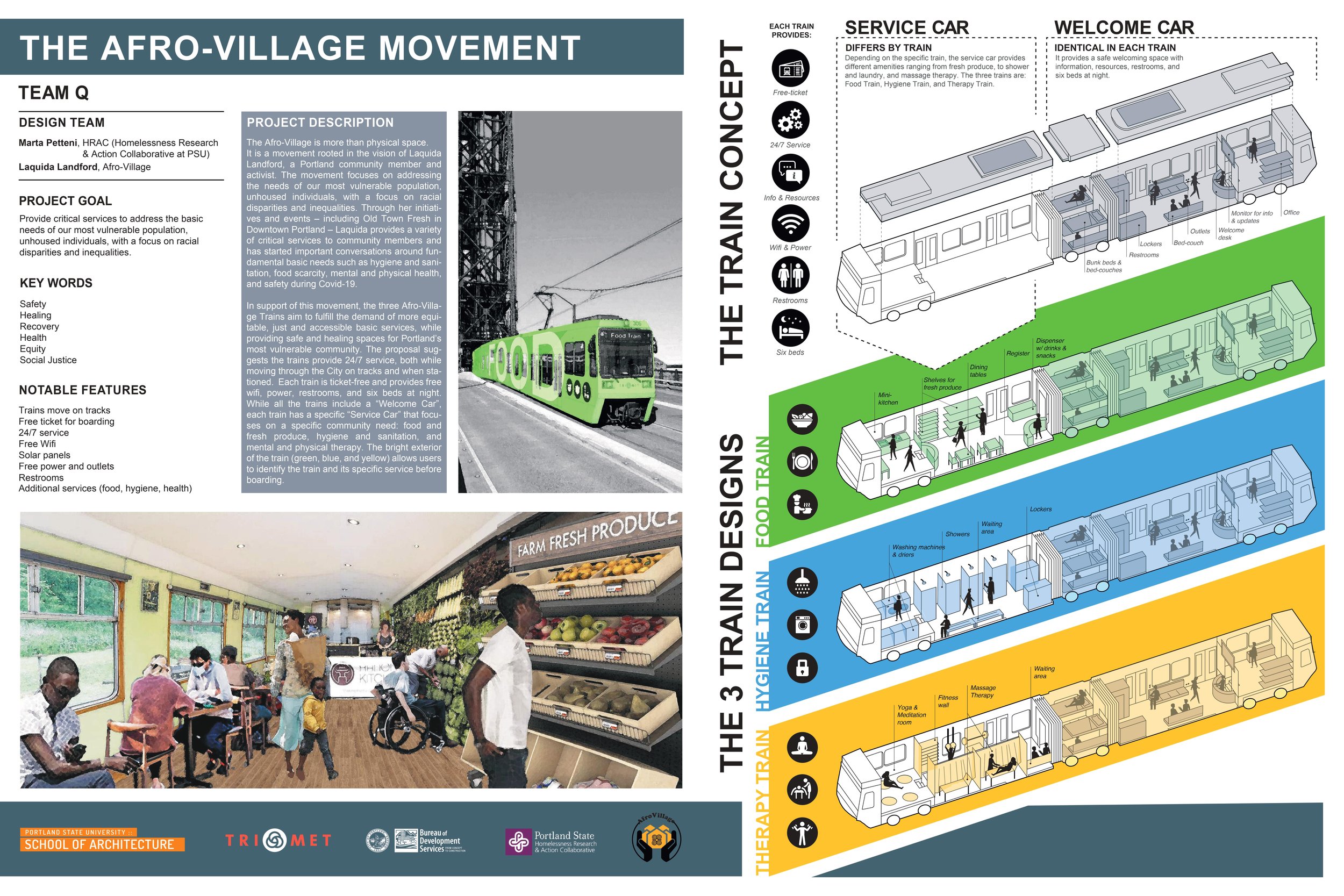
In January 2020, TriMet, the Portland Bureau of Planning and Sustainability, and Portland State University’s Center for Public Interest Design launched the MAX Reuse Design Challenge—a design competition inviting multidisciplinary teams to reimagine the future of retiring MAX light rail cars. The initiative sought innovative solutions to address Portland’s most pressing challenges, including homelessness, climate change, housing insecurity, and racial inequity, while diverting these vehicles from waste or scrap.
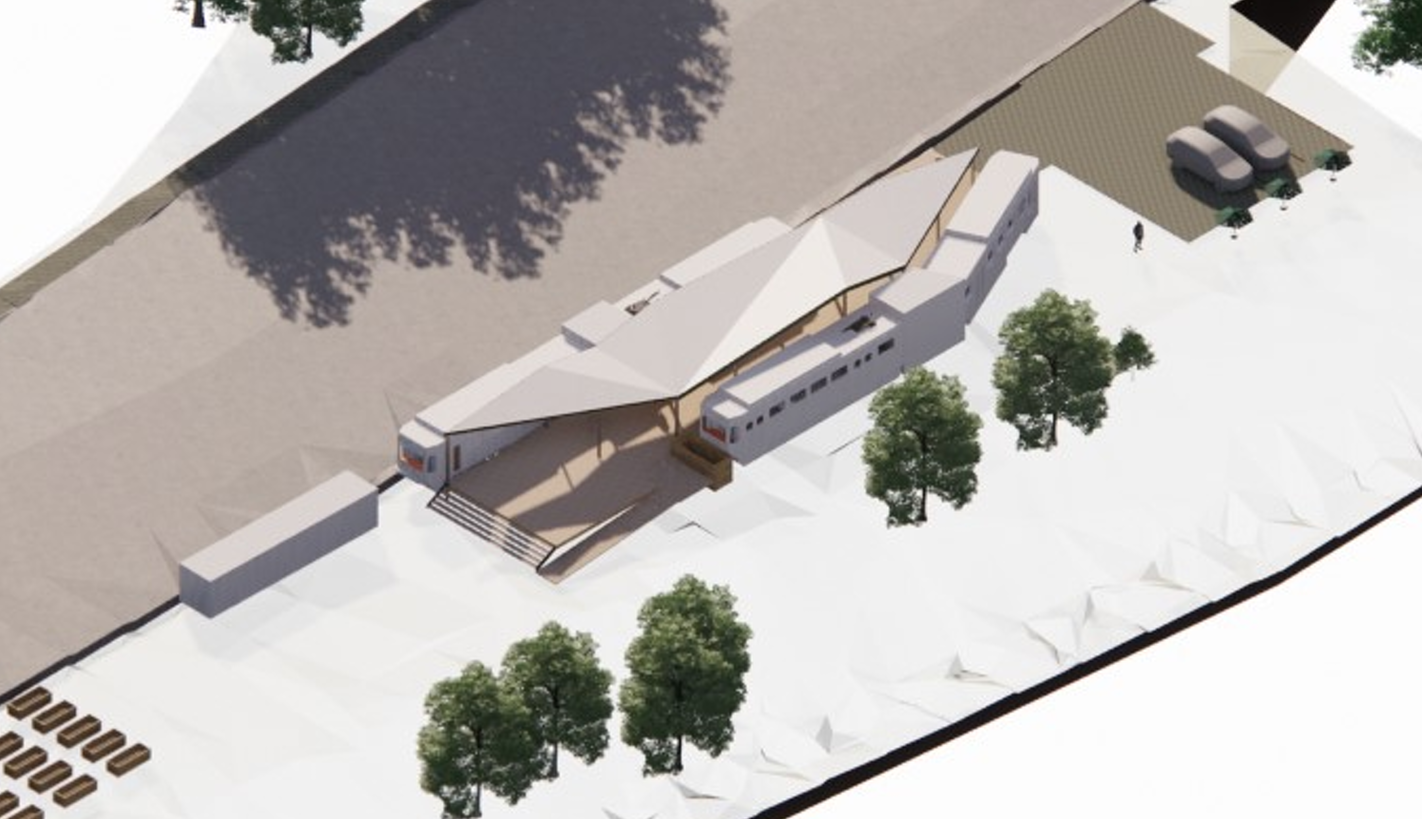
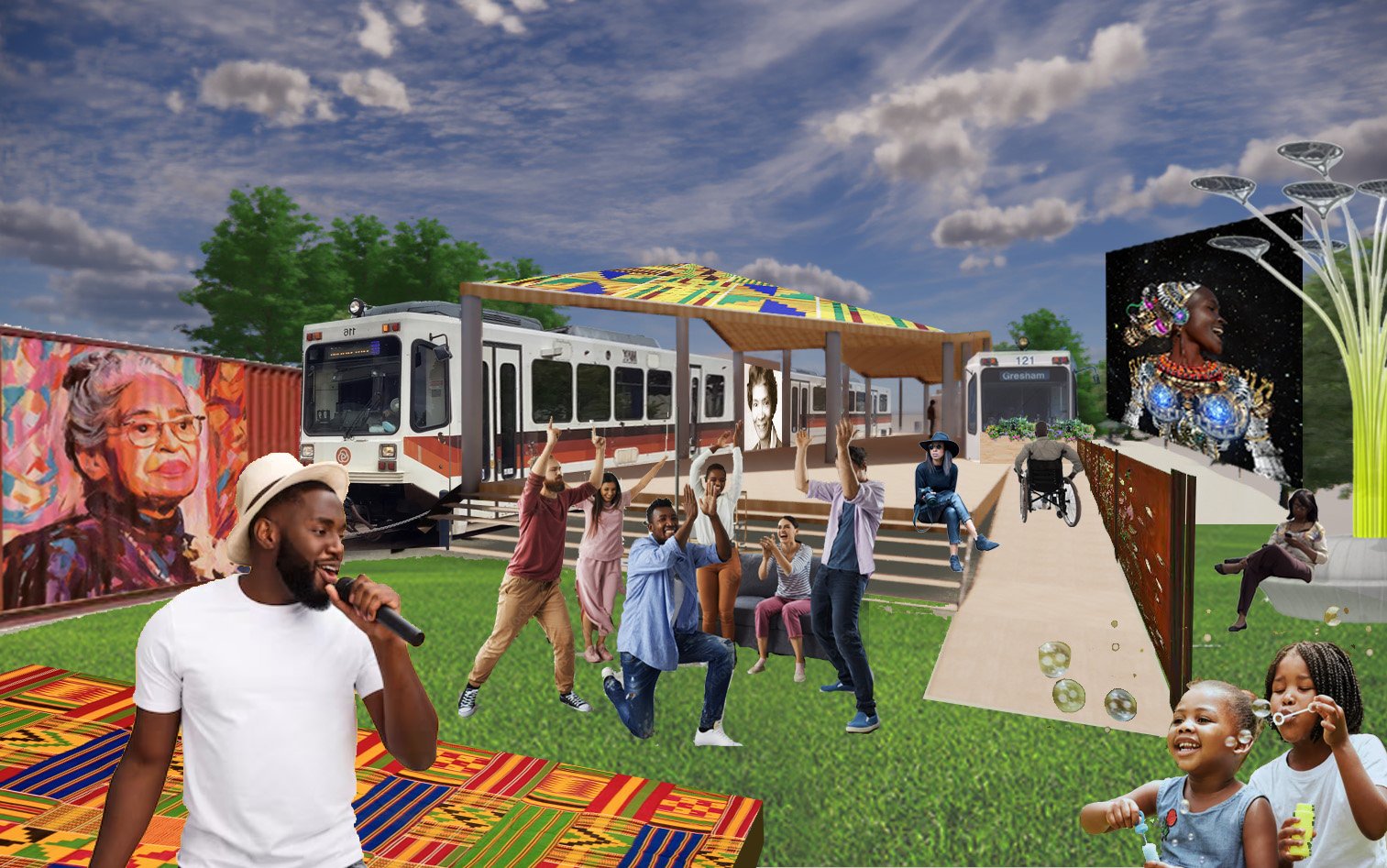
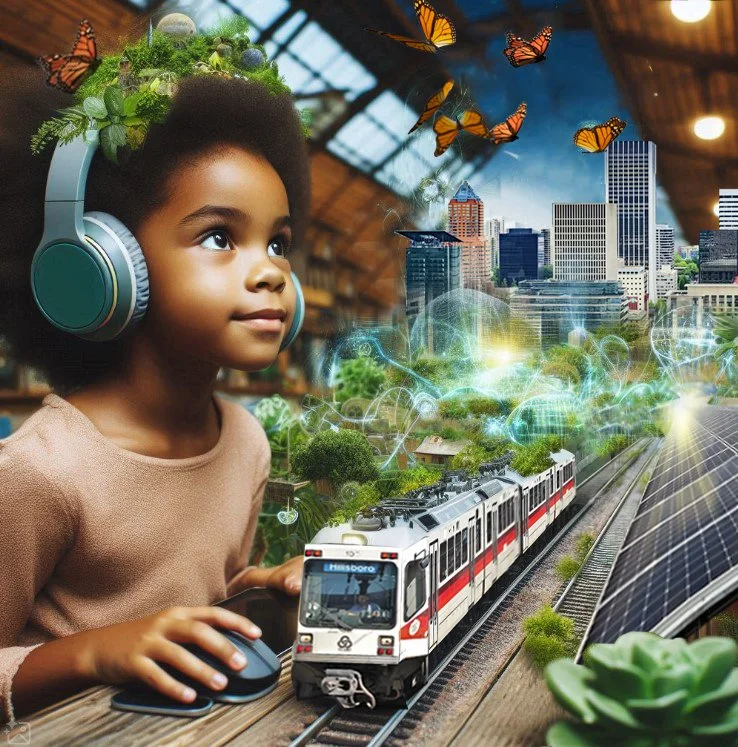
The winning proposal, AfroVillage’s design—recipient of the People’s Choice Award—envisioned the transformation of three decommissioned MAX cars into the “AfroFuturism Oasis.” This concept proposes a sanctuary that integrates nature, clean energy systems, and Afro-futurist design principles to create a restorative and resilient hub. The space is intended to support Black and Brown communities by providing opportunities to rest, collaborate, innovate, and access pathways to economic empowerment.
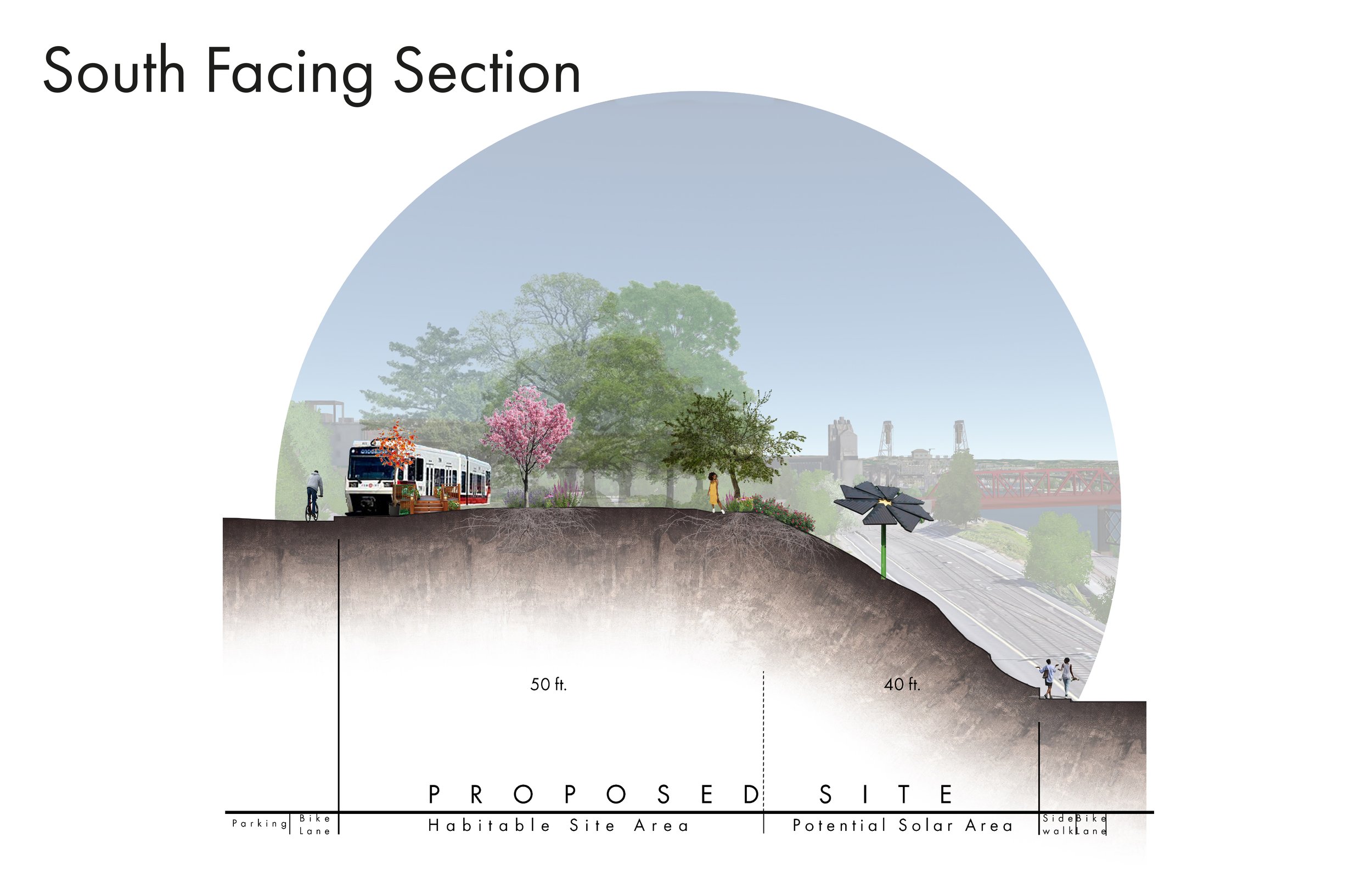
As Project Manager and Co-Director of the AfroFuturism Oasis initiative, I have led the project’s strategic development and implementation. My responsibilities have included securing over $3 million in grant funding, negotiating and executing a lease agreement with the Portland Bureau of Transportation for a site on North Larrabee Avenue—located at the heart of Portland’s historic Black community—and overseeing project timelines while coordinating a multidisciplinary team of engineers, consultants, and contractors.
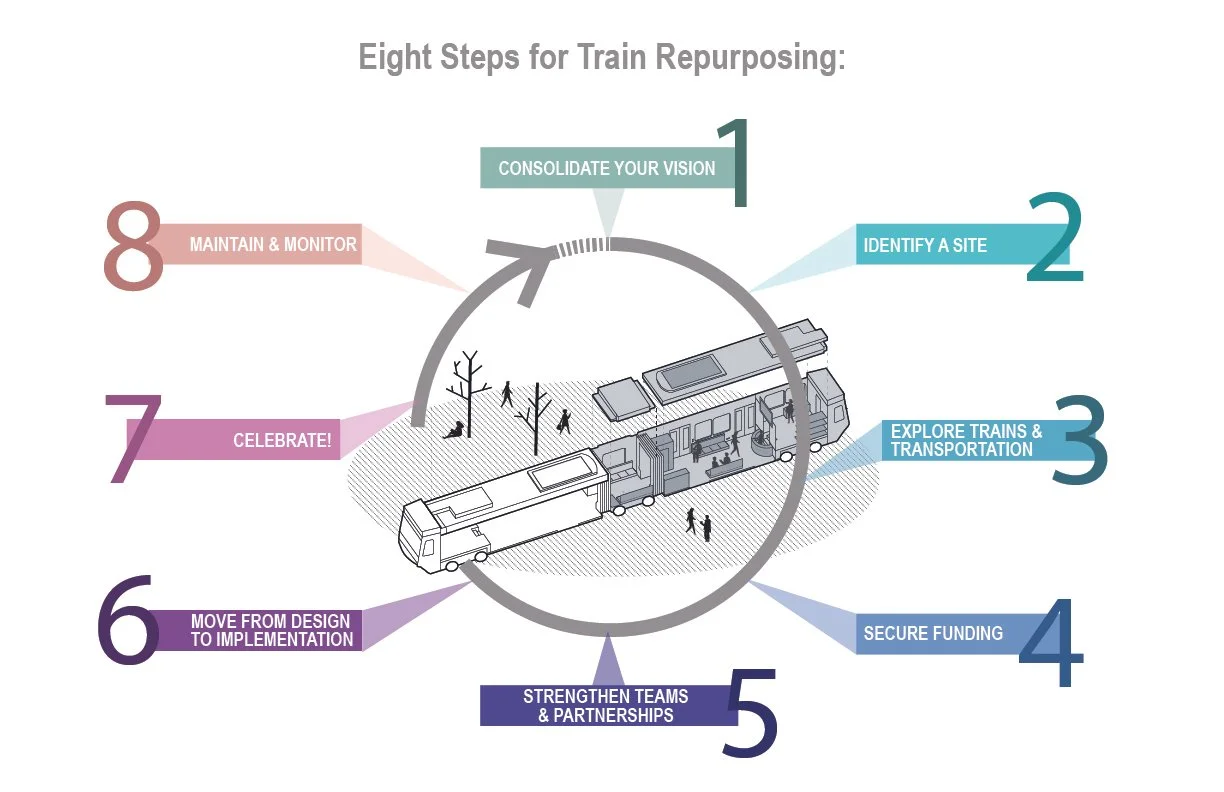
In recognition of this work, I was awarded the Architecture Foundation of Oregon’s Van Evera Bailey Fellowship in 2024, supporting the continued advancement and expansion of the project and the creation of an How-to Guide for train repurposing.
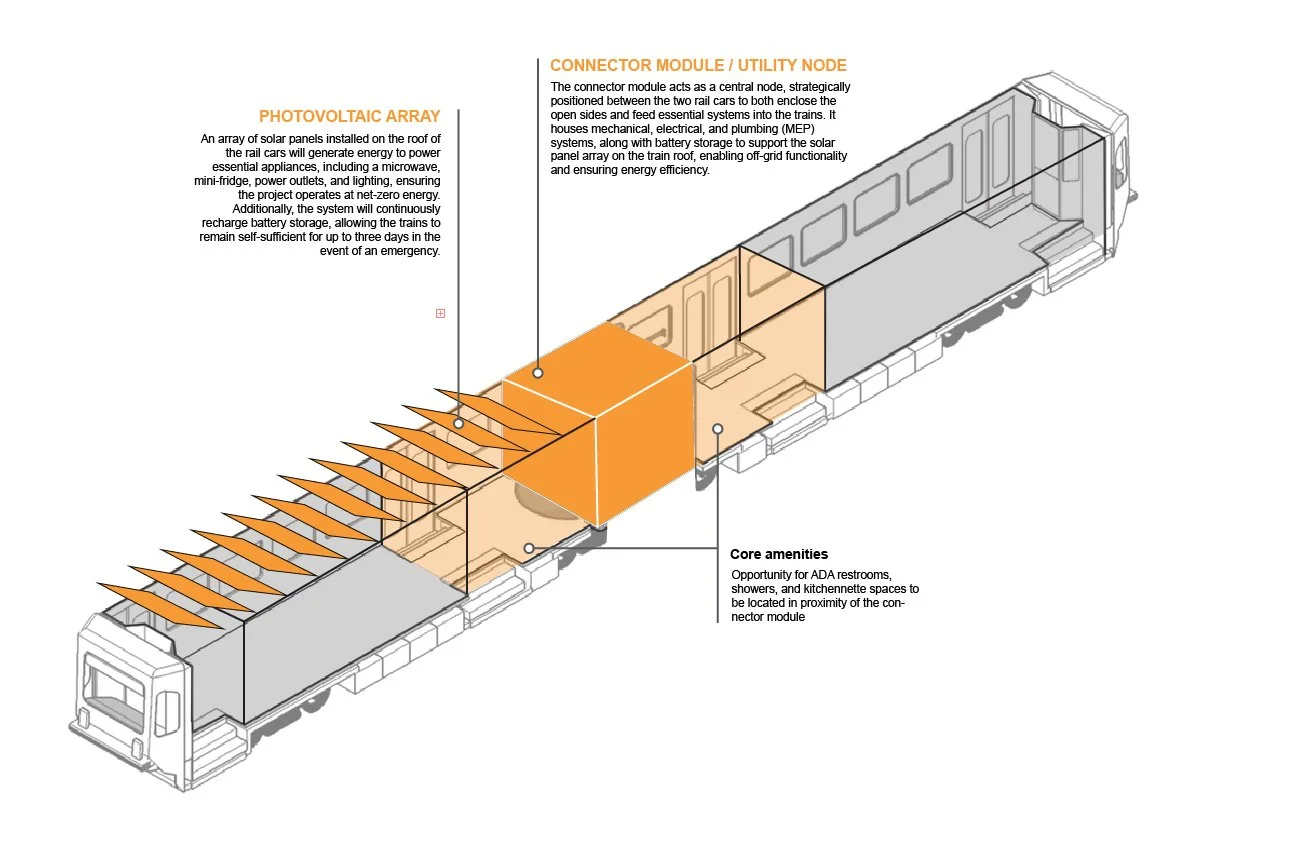
The trains are scheduled to be delivered to the site in Summer 2026, after which they will undergo interior transformation. The completed Oasis will feature co-working areas, wellness spaces, community gardens, free Wi-Fi access, and other community-centered amenities. While connected to essential utilities, the project is designed with the capacity to operate off-grid in emergency conditions, embodying a resilient and future-oriented model centered on Black empowerment and community sustainability.